
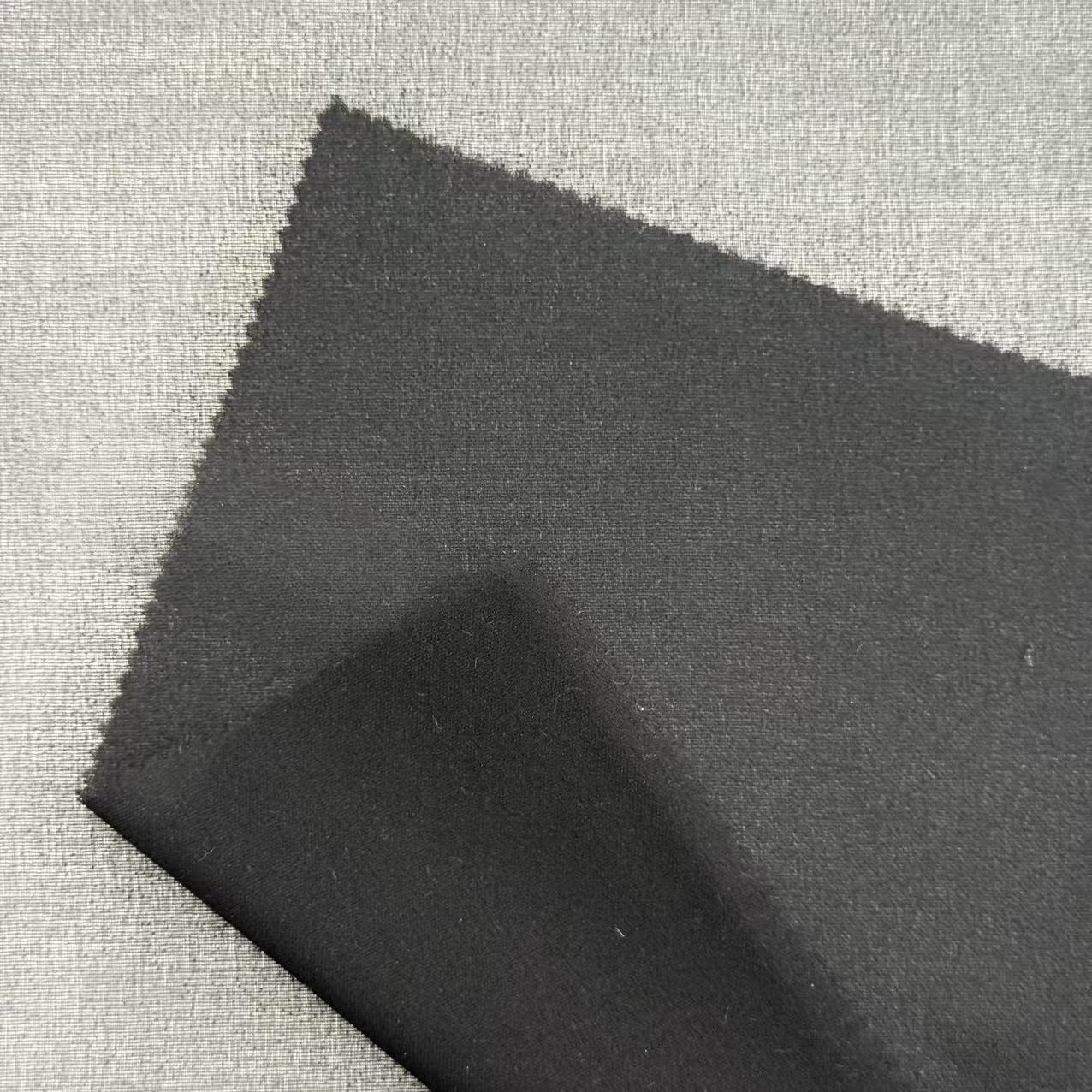
#1054 Water Jet
Water‑jet PA interlining features soft hand‑feeling and reliable peel strength after fusing.Excellent dimensional stability after washing, no bubbling or delamination. It is widely
View productWhen bulk garment programs depend on stable collars, cuffs, and waistbands, the choice of interlining supplier decides how much rework your finishing line absorbs. This playbook is written for procurement teams, production planners, and factory owners who compare vendors before committing stock. It pairs a supplier-neutral seven-point checklist with the real specification sheet of X8035, a 100% polyester thermal-bond roll produced by a non woven interlining manufacturer with 60 million meters of annual woven and 20 million meters of non-woven capacity.
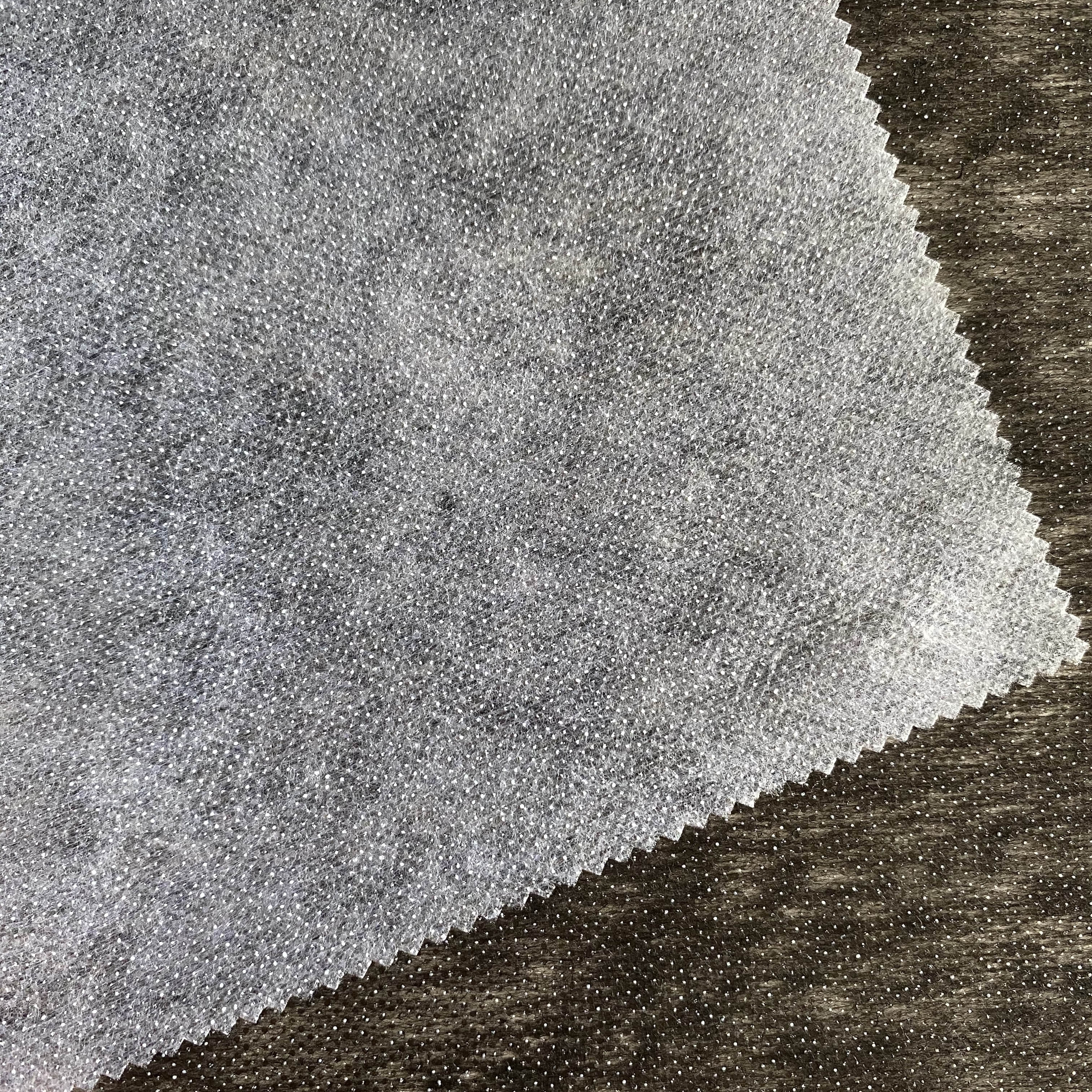
An interlining roll looks like a simple sheet, but inside a cut garment it becomes the skeleton of every structured part. When a collar tips, a waistband rolls, or a cuff bubbles after fusing, the cause usually goes back to a purchasing decision made before cutting began.
The X8035 product page describes a nonwoven interlining built to give buyers “a foundation for stable shaping, clean structure, and dependable performance across apparel production.” It also says the material works to support jackets, shirts, collars, cuffs, waistbands, and other apparel parts that benefit from controlled reinforcement.
For production planners, the more important line is about predictable handling across batches. Bulk apparel is not one garment repeated many times; it is many garments repeated with identical behavior. A vendor who cannot control construction, coating, and roll consistency creates invisible costs on the line — uneven fusing, matched-part differences, and rework that hides until the finished garment is inspected.
Use this checklist before you send an RFQ. It is deliberately generic, so you can run the same questions against every shortlisted vendor and compare answers on paper.
| Evaluation Point | What To Ask The Manufacturer | Why It Matters For Bulk Apparel |
|---|---|---|
| 1. Composition & construction | What is the fiber composition, and how is the nonwoven web constructed? | Tells you whether the roll is engineered for fusible garment parts and whether it matches the weight and structure of your shell fabrics. |
| 2. Coating material & glue weight | What polymer is used for the coating, and what is the stated glue weight? | A clear coating identity helps your team set fusing parameters and avoid guesswork between supplier lots. |
| 3. Finished weight vs. base fabric weight | Do you split the spec into base fabric weight and finished weight? | Two vendors can quote “lightweight” and mean very different glue loads. Separate numbers make quotes comparable. |
| 4. Available widths & colors | Which standard widths and colors are held in the range? | Lets your cutting department plan yield, color match, and edge waste before the order arrives. |
| 5. Bonding / fusing reliability | Can we run a production-style fusing trial on our actual shell fabric? | A pre-production trial is the fastest way to validate bonding behavior before you commit a large cutting plan. |
| 6. Batch-to-batch consistency | How do you maintain consistency across production batches, and what technical support is offered after delivery? | Bulk programs reorder many times. Predictable handling protects you from variations that show up as rework later. |
| 7. MOQ, lead time, sampling & OEM/ODM | What is the bulk MOQ, typical lead time, sample timeline, and your policy for OEM / custom sourcing projects? | Keeps your stock plan, buying calendar, and private-label options aligned from the first conversation. |
A reliable spec sheet should separate base material from coating and give you numbers you can drop into an RFQ comparison. This is the official X8035 specification as published by Baiyu Textiles.

Where X8035 fits: jackets, shirts, collars, cuffs, waistbands, and other apparel parts that benefit from controlled reinforcement. The named use scenarios are garment and apparel production lines, contract manufacturing, and bulk supply projects.
| Article | X8035 |
| Composition | 100% Poly |
| Construction | Thermal Bond |
| Weight | 45 |
| Base Fabric Weight | 35 |
| Coating Material | 100% PES |
| Glue Weight | 10 |
| Colors | Opt White / Black / Charcoal / Rice White |
| Width | 70" / 180CM, 60" / 150CM, 40" / 100CM |
The benchmark table matters because it turns a vague conversation about “lightweight interlining” into numbers you can audit. Here is how a buyer should read each part of the X8035 line.
X8035 is presented as a base fabric weight of 35 and a glue weight of 10, giving a listed total of 45. Always ask vendors to break the total down the same way. A total-only quote hides how much coating you are actually paying for.
The roll is a polyester thermal-bond nonwoven with a polyester-based coating. Because both the base and the coating are named, your production team can evaluate fusibility against your shell fabric before placing a bulk order.
X8035 offers Opt White, Black, Charcoal, and Rice White, plus 70"/60"/40" width options. For a factory buyer, width options affect cutting yield, and stated colors prevent show-through surprises in light shell fabrics.
One product spec can serve several apparel scenarios. For each scenario below, look for a specific X8035 line to quote back to the vendor when you request a sample.
Structured shirt and trouser components need controlled reinforcement so they hold their shape without feeling stiff in the finished garment.
Buyer decision: run a fusing trial on your exact shell fabric before bulk cutting.
Front panels, plackets, and jacket areas need interlining that supports the fabric while staying compatible with standard production processing.
Buyer decision: request color swatches and confirm roll color against your shell fabric before ordering.
Bulk supply projects need predictable rolls, clear width options, and a sourcing partner that can answer wholesale and OEM questions.
Buyer decision: confirm spread width against your cutting table to reduce fabric waste and plan production.
Baiyu Textiles is a production-led partner for interlining programs, not only a trading desk. The company profile shared on the X8035 page lists a Guangzhou Panyu headquarters, a USD 4.5 million investment, and significant annual interlining capacity.
Next step: send your X8035 sourcing request or OEM/custom inquiry directly to the factory. Contact Baiyu today for current pricing, available widths, bulk lead time, and sample support.
Email: info@baiyutextiles.com | Phone / WhatsApp / WeChat: +86 17322225000
Keep adjacent product options together for a faster catalog comparison.
Water‑jet PA interlining features soft hand‑feeling and reliable peel strength after fusing.Excellent dimensional stability after washing, no bubbling or delamination. It is widely
View product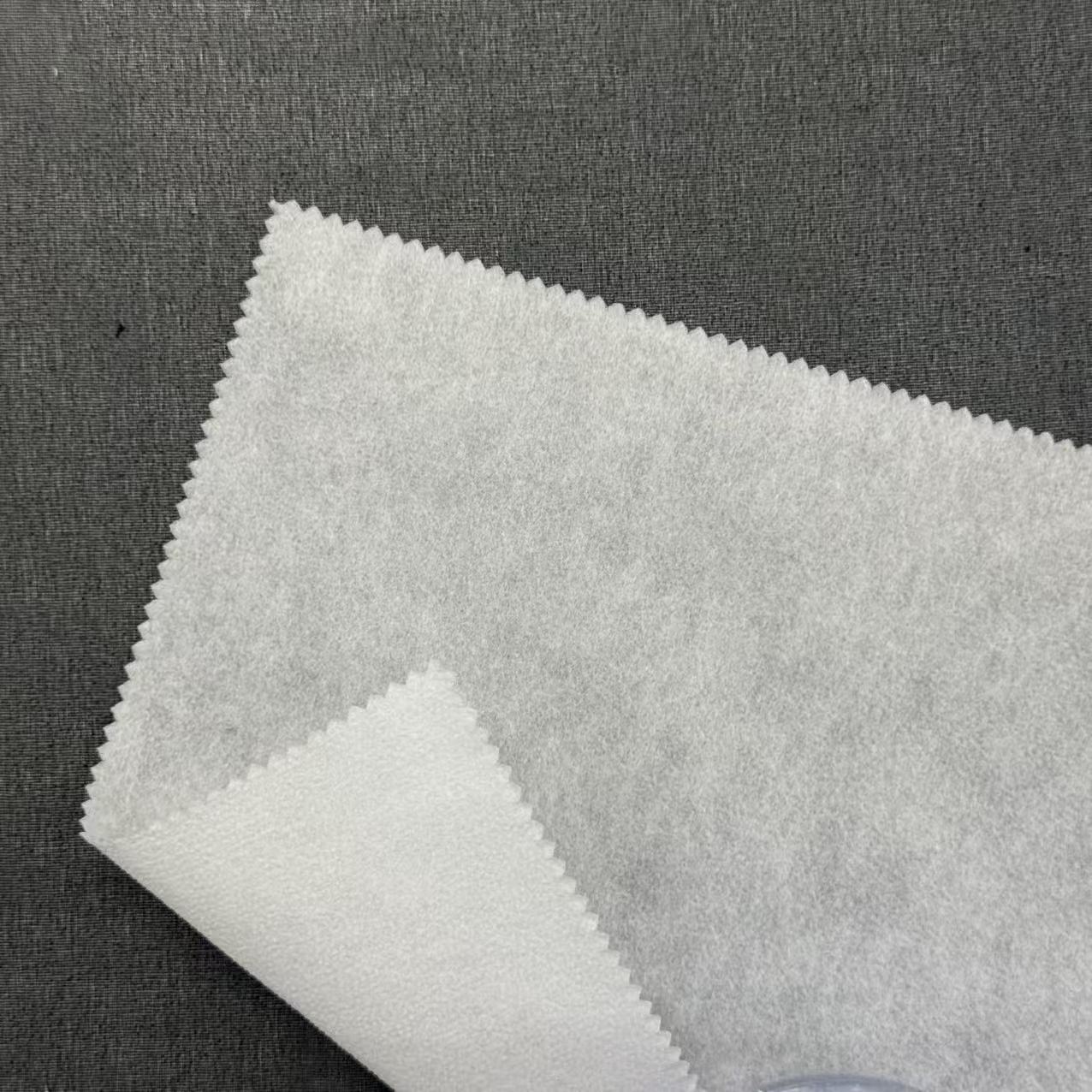
Review the product details, images, and specifications presented on the official product page.
Use the application and use-case information published on the official product page.
Confirm the specifications and options listed for the exact product variant before placing an order.
Check the official product page or ask the supplier about options shown for the selected product.
Use the official contact or inquiry path provided on the site.
Include the product page, intended use, required quantity, and any specifications you need the supplier to review.
